
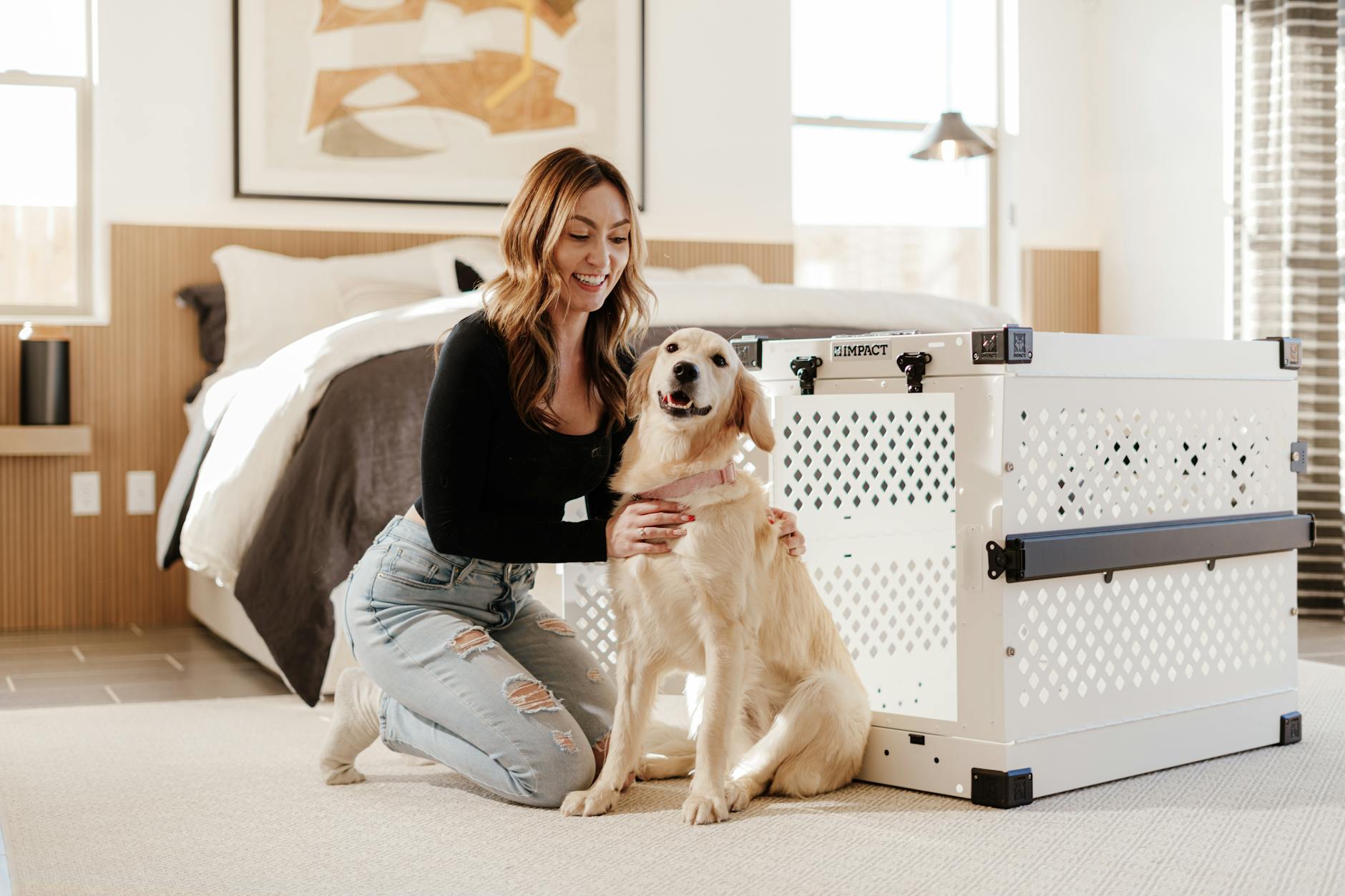
As a pet owner, your furry friends’ safety is a top priority.
From ensuring their environment is secure to being cautious during outdoor adventures, there are countless ways to protect your pets from potential hazards.
Here, we present 16 essential pet safety tips that will keep your companions safe and sound, whether at home or outdoors. These tips are designed to help you create a safer space for your pets and enjoy peace of mind knowing they are well-protected.
1. Secure Your Home

Make your home a haven for your pets by securing potential hazards.
Ensure that dangerous items like electrical cords, toxic plants, and small objects are well out of reach. Consider using baby gates to keep pets away from stairs or rooms with potential hazards.
Also, keep cleaning supplies and medications locked away to prevent accidental ingestion. A pet-friendly home is a happy home, so take the time to create a safe space for your furry friends.
2. Use Pet-Friendly Plants

Many houseplants can be toxic to pets, so it’s crucial to choose pet-friendly varieties.
Plants like spider plants, Boston ferns, and bamboo palm are safe options that can liven up your home without endangering your pet.
Researching and selecting non-toxic plants not only enhances your interior but also keeps your furry friends safe from harmful ingestion. Ensure to remove any toxic plants that may already be in your home.
3. Create a Safe Outdoor Space

Designate a secure outdoor area for your pets to play and explore safely.
Install a sturdy fence that is high enough to prevent jumping and deep enough to stop digging. Adding a pet-friendly surface like grass or pea gravel can make it more enjoyable for them.
Ensure the area is free of sharp objects, toxic plants, and small gaps that could lead to escapes. A well-constructed outdoor space allows your pets to enjoy fresh air and sunshine without the risks.
4. Monitor Outdoor Adventures

When taking your pets outdoors, always supervise their activities.
Whether at the park, beach, or hiking trail, it’s essential to keep an eye on them to prevent mishaps.
Ensure they are on a leash if required, and be cautious of other animals that may pose a threat. Having a reliable pet GPS tracker can also provide peace of mind during outdoor excursions, ensuring you can always locate your furry friend.
5. Check for Toxic Foods

Educate yourself about foods that are toxic to pets, such as chocolate, grapes, and onions.
Keep these harmful items well out of reach and avoid sharing human food without first checking its safety.
Establish a pet-safe area in your kitchen where they cannot access food or trash, reducing the risk of accidental ingestion. Understanding what foods are safe and unsafe is key to preventing serious health issues.
6. Keep Medications Out of Reach

Human medications can be fatal to pets, so it’s vital to store them safely.
Designate a high cabinet or locked drawer specifically for medications and ensure your pets cannot access these areas.
When guests visit, remind them to keep their bags and coats away from pets, as many carry medications. By taking these precautions, you can prevent dangerous situations and keep your pets safe.
7. Invest in Safety Gear

For pets that enjoy outdoor activities, investing in safety gear is essential.
Life jackets for dogs, reflective collars, and protective booties can provide extra protection during adventures.
These items not only enhance safety but also ensure your pet is comfortable while enjoying outdoor excursions. Make sure to choose high-quality, well-fitted gear that suits your pet’s size and activity level.
8. Ensure Proper Identification

One of the simplest yet most effective ways to keep your pets safe is to ensure they have proper identification.
Microchipping your pet and providing them with a collar equipped with an ID tag can significantly increase the chances of their return if they get lost.
Regularly check that your contact information is updated on their ID tags and microchip registry. This simple measure provides peace of mind for pet owners.
9. Use Pet-Friendly Pest Control

Regular pest control is essential, but it must be done safely for your pets.
Opt for pet-friendly pest control methods that are free of harmful chemicals.
Consider natural repellents, like essential oils or diatomaceous earth, to keep pests at bay without risking your pets’ health. Always consult with a veterinarian before using any pest control products to ensure they are safe.
10. Be Cautious with Holiday Decorations

During the holidays, decorations can pose serious hazards to pets.
Ensure that ornaments, tinsel, and candles are placed out of reach to prevent choking or burns.
Consider using pet-safe decorations, and avoid plants like poinsettias that can be toxic. By taking these precautions, you can create a festive atmosphere while keeping your pets safe.
11. Provide Safe Toys

Choosing the right toys for your pets is crucial for their safety and happiness.
Opt for toys specifically designed for pets, avoiding small parts that can be chewed off and swallowed.
Regularly inspect toys for wear and tear, and replace any that are damaged. By providing safe and engaging toys, you can keep your pets entertained while minimizing risks.
12. Watch Out for Extreme Weather

Extreme weather can pose significant risks to pets, so it’s essential to be prepared.
During hot weather, ensure your pets have access to shade and fresh water, and avoid taking them outside during peak heat hours.
In winter, provide warm bedding and limit outdoor time in extremely cold conditions. Keeping an eye on the weather and adjusting your pet’s routine accordingly can keep them safe and comfortable.
13. Educate Children About Pet Safety

Teaching children how to interact safely with pets is essential for everyone’s safety.
Instruct them on gentle handling, appropriate play, and recognizing signs of stress in animals.
Encouraging positive interactions between children and pets fosters a loving bond while ensuring that both are safe. Open communication and education can create a harmonious environment for all.
14. Regular Vet Check-Ups

Routine veterinary check-ups play a vital role in your pet’s health and safety.
Regular visits can detect health issues early, ensuring timely treatment and prevention.
Keep your pets up to date on vaccinations and parasite control. Prioritizing their health not only keeps them safe but also enhances their quality of life.
15. Know Emergency Procedures

Being prepared for emergencies can save your pet’s life.
Know the closest animal hospital and have a pet first aid kit readily available.
Familiarize yourself with common emergencies and how to handle them, such as choking or poisoning. Being informed and prepared can make all the difference in a critical situation.
16. Stay Informed

Keeping up with the latest pet safety information is crucial.
Follow reputable pet care blogs, social media accounts, and local shelters for updates on safety tips and pet health news.
Engaging with the pet community can provide valuable insights and resources. Staying informed ensures you can provide the best care for your furry friends.
Conclusion

Ensuring the safety of your pets is an ongoing commitment that pays off in love and happiness.
By implementing these 16 pet safety tips, you can create a secure environment for your furry friends, whether at home or outdoors.
Remember, a safe pet is a happy pet, so take these precautions to heart and enjoy the precious moments spent with your companions.




Zostaw odpowiedź