
In the hustle and bustle of modern parenting, it’s easy to lose sight of what truly matters: connection, awareness, and presence. Mindful parenting is a transformative approach that encourages parents to be fully engaged with their children, creating a nurturing and harmonious family environment.
This article presents 11 mindful parenting techniques that promise to enhance your family dynamic, reduce stress, and foster awareness in your everyday interactions. Each technique is designed to help you and your children thrive together.
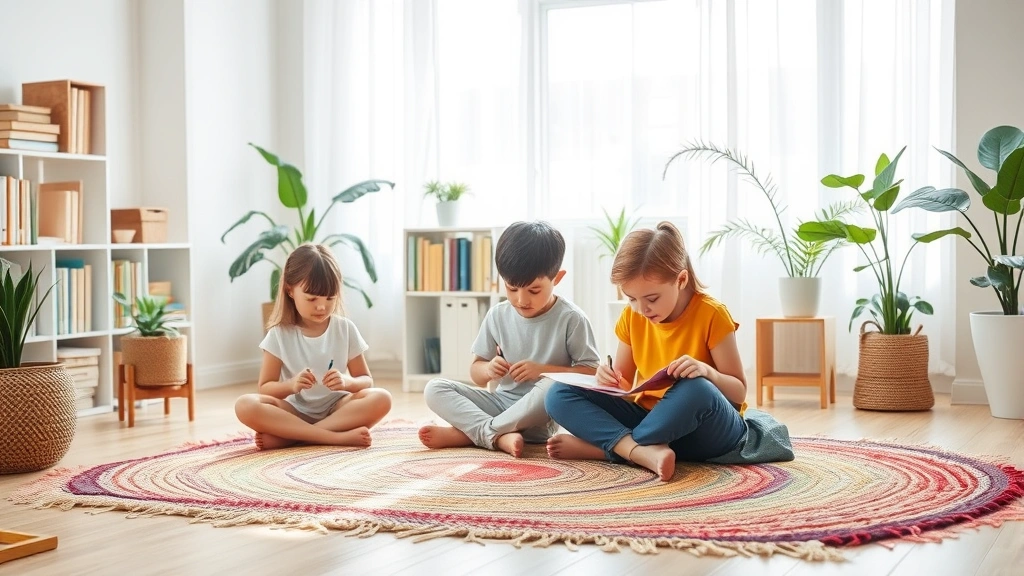
Imagine a serene family scene: a cozy living room filled with soft, natural light. A parent sits cross-legged on a colorful woven rug, surrounded by their children, who are engaged in a mindful activity, such as drawing or building with blocks. The atmosphere is one of peace and connection, with books and calming plants in the background, symbolizing a nurturing environment.
Contents
- 1. Practice Active Listening
- 2. Introduce Mindful Breathing
- 3. Establish Tech-Free Zones
- 4. Embrace Nature Walks
- 5. Create a Family Gratitude Jar
- 6. Incorporate Mindful Eating
- 7. Foster Creative Expression
- 8. Schedule Regular Family Meetings
- 9. Encourage Mindful Play
- 10. Implement Daily Reflection Time
- 11. Model Mindfulness Yourself
1. Practice Active Listening

Active listening is the cornerstone of mindful communication. By fully concentrating on what your child is saying, you validate their feelings and foster a sense of safety and trust.
This technique encourages parents to listen without interrupting, respond thoughtfully, and ask open-ended questions that invite deeper conversation. It transforms communication from a transactional exchange into a meaningful dialogue, strengthening your relationship.
Picture a parent kneeling down to be at eye level with their child, their body language open and inviting. The child is animatedly sharing a story, while the parent nods encouragingly, creating a warm, engaged atmosphere that enhances connection.
2. Introduce Mindful Breathing

Mindful breathing is a simple yet powerful tool to help children manage their emotions. Teaching kids to take deep, calming breaths can significantly reduce stress and anxiety, promoting emotional regulation.
This technique involves guiding your child to inhale deeply through their nose, hold for a moment, and exhale slowly through their mouth. Making this a fun practice, perhaps using a colorful breathing ball, can turn it into an enjoyable ritual that enhances family bonding.
Visualize a serene outdoor setting with a parent and child sitting together on a grassy patch, both with their eyes closed and hands on their bellies, practicing mindful breathing. The backdrop features gentle trees swaying in the breeze, embodying tranquility and calmness.
3. Establish Tech-Free Zones

Creating tech-free zones promotes connection and awareness among family members. Designating certain areas, such as the dining room or living room, as tech-free encourages face-to-face interactions and meaningful conversations.
In these spaces, families can engage in games, storytelling, or simply enjoy each other’s company, fostering a stronger bond. This practice significantly reduces distractions and enhances mindfulness during family time.
Imagine a cozy dining room with a candle-lit table set for dinner, where family members are engaged in lively conversation, their devices put away. The warm glow of the candles and the delicious food on the table create an inviting and intimate atmosphere.
4. Embrace Nature Walks

Nature walks are a fantastic way to practice mindfulness, allowing families to connect with the environment while engaging in meaningful conversations. These walks encourage awareness of the surrounding beauty, promoting gratitude and appreciation.
Encourage your children to observe different plants, animals, and sounds, fostering curiosity and a sense of wonder. This technique not only enhances mindfulness but also promotes physical activity and well-being.
Visualize a family walking along a sun-dappled forest path, with children pointing out colorful flowers and butterflies, while parents share stories about nature. The scene is filled with vibrant greenery, creating a sense of exploration and joy.
5. Create a Family Gratitude Jar

A gratitude jar is an engaging way to cultivate mindfulness and appreciation within the family. Each member can contribute notes of gratitude throughout the week, which can be read together during family time.
This simple practice encourages awareness of the positives in life, fostering a culture of appreciation and connection. It can also be a wonderful way to reflect on the past year during special occasions, like New Year’s Eve.
Imagine a colorful jar adorned with stickers and surrounded by art supplies, where family members gather to write their notes of gratitude. The atmosphere is filled with excitement and joy, as they share what they appreciate about each other.
6. Incorporate Mindful Eating

Mindful eating encourages families to engage fully with their meals, appreciating the flavors, textures, and aromas of their food. This practice cultivates awareness and gratitude for nourishment, promoting healthier eating habits.
Encourage children to describe the colors and textures of their meals, turning mealtime into a sensory experience. You could even involve them in meal preparation, creating a deeper connection with the food.
Envision a beautifully set dining table with colorful, nutritious dishes. Family members are savoring each bite, discussing the flavors and textures, while laughter fills the air, creating a joyful and connected atmosphere.
7. Foster Creative Expression

Creative expression is a fantastic way for children to process their thoughts and emotions. Encouraging activities like drawing, painting, or journaling cultivates mindfulness and self-awareness.
Set aside time for creative activities as a family, allowing everyone to express themselves freely. This not only enhances emotional well-being but also strengthens family bonds through shared experiences.
Visualize a vibrant art corner filled with paints, brushes, and canvases, where family members are engaged in creating their masterpieces. The room is filled with colors and laughter, showcasing the joy of creative expression.
8. Schedule Regular Family Meetings

Regular family meetings provide a structured time for open communication, allowing family members to voice their thoughts and feelings. This practice fosters awareness and strengthens family dynamics, ensuring everyone feels heard.
These meetings can be a platform to discuss challenges, celebrate achievements, and plan family activities. Creating a safe space for discussion promotes emotional intelligence and connection among family members.
Envision a cozy living room where family members sit in a circle, sharing thoughts and ideas. The atmosphere is supportive and engaging, with a whiteboard or flip chart in the background for brainstorming.
9. Encourage Mindful Play

Mindful play allows children to engage with their surroundings and develop awareness of their emotions and actions. Encourage unstructured play that promotes creativity, problem-solving, and social skills.
Provide materials like building blocks, art supplies, or nature items that spark imagination. This technique nurtures mindfulness by allowing children to explore freely, enhancing their emotional and cognitive development.
Imagine a sunny backyard filled with colorful toys and materials, where children are building a fort using blankets and cushions, fully engrossed in their imaginative play. The scene radiates joy and creativity.
10. Implement Daily Reflection Time

Daily reflection time encourages both parents and children to pause and evaluate their day. This practice enhances awareness of feelings and experiences, promoting emotional intelligence and mindfulness.
Set aside a few moments each day for family members to share highlights, challenges, and lessons learned. This open dialogue fosters connection and understanding, allowing families to grow together.
Visualize a serene evening setting, with family members relaxing on a porch, sipping herbal tea, and sharing their reflections of the day. The warm glow of string lights above creates a cozy and intimate atmosphere.
11. Model Mindfulness Yourself

Children learn by observing their parents. By modeling mindfulness in your daily life—through meditation, conscious breathing, or stress-relief techniques—you inspire your children to adopt these practices as well.
Share your experiences and discuss the importance of mindfulness in managing emotions and stress. This practice creates a ripple effect, encouraging a mindful family dynamic.
Envision a parent sitting quietly in a garden, meditating with closed eyes, surrounded by blooming flowers and chirping birds. The scene is calm and peaceful, symbolizing the essence of mindfulness.
Conclusion

Implementing these mindful parenting techniques can profoundly transform your family dynamics, fostering an environment of love, understanding, and awareness. As you incorporate these practices into your daily life, you’ll notice a deeper connection with your children and a reduction in stress.
Embrace the journey of mindful parenting, and watch your family flourish together.
Visualize a joyful family scene in a sunlit park, where parents and children are engaging in playful activities, laughter echoing in the air. The scene radiates happiness and connection, symbolizing the positive impact of mindful parenting.




Leave a Reply